The Real ROI of Managed IT Services for Growing Businesses
For many growing businesses, technology has shifted from being a simple operational tool to becoming a core driver of productivity, security, and scalability. Yet many organizations still rely on reactive IT support models that only address issues after they disrupt operations. As cyber threats increase and business reliance on digital systems grows, this reactive approach often leads to higher costs, unexpected downtime, and increased risk.

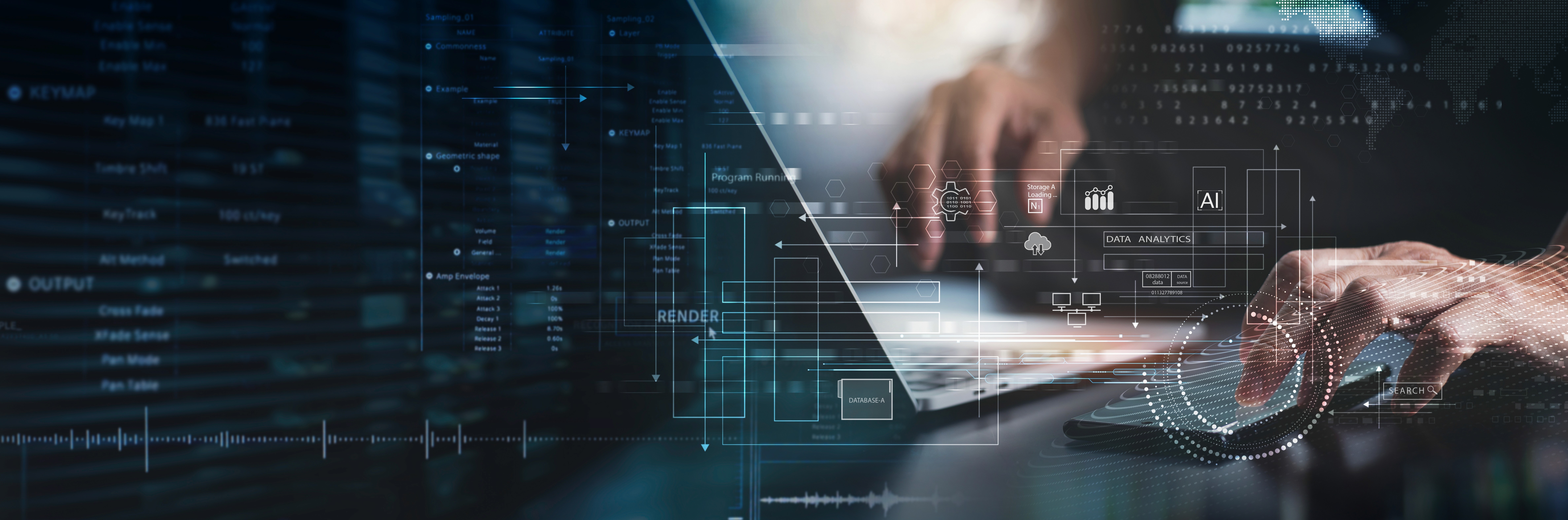
Businesses are beginning to realize that investing in proactive IT management can significantly improve operational efficiency and financial performance.
Key Industry Statistics
• The average cost of IT downtime ranges between $8,000 and $25,000 per hour for small and mid-sized businesses.
• Organizations that adopt proactive IT monitoring can reduce system outages by up to 70%.
• Studies show that companies using managed IT services experience 20–30% lower overall IT costs compared to break-fix models.
These numbers highlight an important reality: IT is no longer just a support function—it is a strategic investment that directly impacts business performance.
Understanding Managed IT Services
Managed IT services refer to the practice of outsourcing the management, monitoring, and support of a company’s technology infrastructure to a specialized IT provider. Rather than reacting to problems as they occur, managed service providers (MSPs) proactively maintain systems, monitor networks, and implement security controls designed to prevent disruptions before they happen.
This model has become increasingly popular among small and mid-sized businesses that need enterprise-level technology capabilities but do not have the internal resources to maintain a full in-house IT department.
Typical managed IT services include:
• 24/7 network and system monitoring
• Helpdesk and technical support
• Cybersecurity management
• Patch management and system updates
• Backup and disaster recovery solutions
• Infrastructure planning and technology strategy
By shifting to a proactive service model, businesses can focus on their core operations while experienced IT professionals ensure their technology environment remains secure and reliable.
Why Traditional Break-Fix IT Models Are Failing Businesses
The traditional break-fix model involves calling an IT technician only when something goes wrong. While this approach may appear cost-effective initially, it often results in unpredictable expenses and operational disruptions.
In a modern business environment where systems must remain continuously operational, waiting for problems to occur before addressing them introduces unnecessary risk.
Reactive vs Proactive IT Support
Category | Break-Fix IT Support | Managed IT Services |
|---|---|---|
Issue Response | Problems addressed after failure | Issues prevented before disruption |
Cost Structure | Unpredictable service bills | Fixed monthly investment |
Security Monitoring | Minimal oversight | Continuous security monitoring |
System Maintenance | Irregular updates | Scheduled patching and maintenance |
Downtime Risk | High | Significantly reduced |
Organizations that rely on break-fix IT often experience recurring issues because the underlying causes of system instability remain unresolved. Managed IT services, on the other hand, focus on preventative maintenance and infrastructure optimization.
Key Drivers Behind the Shift to Managed IT Services
Several factors have accelerated the adoption of managed IT services across industries.
Increasing Cybersecurity Threats
Cybercriminals increasingly target small and mid-sized organizations because they often lack sophisticated security defenses. A proactive IT strategy is essential for identifying vulnerabilities and responding to threats before damage occurs.
Cybersecurity Statistics
• 43% of cyberattacks target small businesses.
• 95% of successful data breaches involve human error.
• The average cost of a data breach reached $4.45 million globally.
Without proper monitoring and security controls, businesses may not detect intrusions until significant damage has already occurred.
Growing Technology Complexity
Modern IT environments involve a wide range of interconnected systems, including cloud platforms, mobile devices, remote work infrastructure, and third-party applications. Managing this complexity requires specialized expertise that many internal teams cannot maintain alone.
Businesses must now manage:
• Cloud platforms such as Microsoft 365 or Google Workspace
• Remote work infrastructure and VPN access
• Endpoint security across multiple devices
• Compliance and regulatory requirements
• Data backup and disaster recovery strategies
A managed service provider centralizes oversight across these systems to ensure stability and security.
The Need for Predictable IT Costs
One of the biggest challenges businesses face with traditional IT support is cost unpredictability. Emergency system failures can result in large, unexpected service bills that disrupt budgeting.
Managed IT services replace these unpredictable expenses with a consistent monthly investment, allowing businesses to plan technology budgets more effectively.
Cost Predictability Comparison
Cost Factor | Break-Fix Model | Managed IT Model |
|---|---|---|
Emergency Repairs | Frequent | Rare |
Budget Forecasting | Difficult | Predictable |
Infrastructure Planning | Minimal | Strategic planning included |
Technology Upgrades | Reactive | Proactively scheduled |
Predictable IT spending allows leadership teams to make informed financial decisions while avoiding unexpected operational disruptions.
The Financial Impact of Downtime
Downtime remains one of the most costly consequences of poor IT management. Even short interruptions can significantly affect productivity, customer satisfaction, and revenue.
Business Impact of Downtime
Impact Area | Consequence |
|---|---|
Productivity Loss | Employees unable to access systems |
Customer Service | Delayed response times and missed opportunities |
Revenue Loss | Interrupted transactions and sales |
Reputation Damage | Reduced customer trust |
Compliance Risk | Potential regulatory penalties |
Studies indicate that even a single hour of downtime can cost thousands of dollars in lost productivity and revenue.
For organizations operating in industries such as legal services or financial management, system outages can disrupt critical operations and delay time-sensitive work.
Core Benefits of Managed IT Services
Businesses adopting managed IT services often experience improvements across several operational areas.
Proactive Monitoring and Maintenance
Managed IT providers continuously monitor systems to detect issues before they cause downtime. Automated alerts and diagnostics allow technicians to resolve potential problems early.
Benefits include:
• Reduced system failures
• Faster response times
• Improved infrastructure reliability
Enhanced Cybersecurity Protection
Cybersecurity has become one of the most important components of modern IT management. Managed service providers implement layered security strategies designed to protect businesses from emerging threats.
Security services may include:
• Endpoint detection and response
• email security filtering
• vulnerability scanning
• security awareness training
• network intrusion monitoring
These layered defenses significantly reduce the likelihood of successful cyberattacks.
Improved Business Productivity
When technology functions reliably, employees can focus on their work rather than troubleshooting technical issues.
Organizations using managed IT services often report:
• Faster system performance
• fewer interruptions
• improved collaboration tools
• more efficient workflows
This improvement in operational stability can have a direct impact on overall productivity.
Strategic Technology Planning
Managed IT services extend beyond daily support to include long-term technology planning. By analyzing infrastructure performance and business needs, IT partners can recommend improvements that support future growth.
Examples include:
• cloud migration strategies
• infrastructure standardization
• security framework implementation
• scalability planning for growing teams
Strategic IT planning ensures that technology investments align with business objectives.
Managed IT Services vs Internal IT Teams
Some organizations consider building internal IT teams instead of outsourcing technology management. While internal teams can provide valuable expertise, maintaining a fully staffed IT department can be expensive and difficult for smaller organizations.
Internal IT vs Managed Services
Factor | Internal IT Team | Managed IT Services |
|---|---|---|
Staffing Costs | High salaries and benefits | Fixed monthly cost |
Skill Coverage | Limited specialization | Access to multiple experts |
Monitoring Availability | Limited hours | 24/7 monitoring |
Infrastructure Knowledge | Internal environment only | Multi-industry expertise |
For many small and mid-sized businesses, managed IT services provide access to a broader range of expertise at a lower overall cost.
When Should a Business Consider Managed IT Services?
Organizations often begin evaluating managed IT solutions when they experience recurring technical challenges.
Common indicators include:
• frequent system downtime
• increasing cybersecurity concerns
• difficulty scaling technology with business growth
• limited internal IT resources
• unpredictable technology expenses
Businesses that address these issues proactively are better positioned to maintain operational stability as they grow.
Strategic Takeaway
Technology plays a central role in modern business operations, from communication and collaboration to data security and customer service. Organizations that rely on reactive IT support often face increased downtime, security risks, and unpredictable costs.
Managed IT services provide a proactive alternative by combining continuous monitoring, cybersecurity protection, and strategic technology planning into a single operational framework. This approach allows businesses to maintain stable, secure technology environments while focusing on growth and innovation.
How Kinetic Consulting Group Helps Businesses Scale Securely
Kinetic Consulting Group helps organizations implement secure, scalable IT environments designed to support long-term business success.
Our approach focuses on three key principles:
Strategy. Security. Scalability.
Through proactive monitoring, cybersecurity frameworks, and infrastructure optimization, Kinetic helps businesses reduce operational risk while improving technology performance. Our team works closely with clients to align IT systems with business objectives, ensuring that technology becomes a strategic asset rather than a recurring problem.
Final Thoughts
As businesses continue to rely on digital infrastructure, the importance of proactive IT management will only increase. Companies that invest in managed IT services gain the advantage of improved system reliability, stronger cybersecurity defenses, and predictable technology costs.
Organizations that treat technology as a strategic investment rather than a reactive necessity position themselves for long-term stability and growth.